

Victoria Lenormand | From Detective To Unschooling Advocate
🎙️Watch the video episode above or listen below



☕ We run our podcast on love, passion, coffee, and your generosity.
We do not run ads, so if you like what you hear, please support our podcast: Buy Us a Coffee - Become a Patreon - Support us on BuzzSprout
✏️ Shownotes
Ex-detective turned homeschooler Victoria Lenormand traces a clear line between two systems she lived inside: policing and schooling. She describes leaving a police service as it shifted toward force, metrics, and control, and later recognizing the same dynamics in her son’s early education through grading, labeling, and constant assessment following an autism diagnosis.
In this conversation, Victoria explains how those systems undermined confidence rather than supporting learning, and how her family responded by moving into home education. She shares practical examples of replacing compliance with agency, learning through lived experience rather than abstraction, and building community through shared interests instead of age-based classrooms.
The episode shows what changes when education is organized around curiosity, deep focus, and real relationships, and how families can identify when a system no longer serves a child—and what it takes to step outside it without losing structure, learning, or community.
🗓️ Recorded December 8, 2025. 📍 Tarragona, Spain
🔗 Relevant links
- https://
geminidirections.co.uk/ - https://www.
linkedin.com/in/victoria- lenormand-2129227b/ - https://www.
instagram.com/ geminidirections.co.uk/ - https://www.
facebook.com/geminidirections - https://amzn.eu/d/
dZz1BqH
See Episode Transcript
Autogenerated Transcript
Jesper Conrad: 00:00
Today we're together with Victoria Lynnormond, and she is in UK and we are in Spain. So, first of all, Victoria, wonderful to meet you. And how's the weather in good old UK?
Victoria Lenormand: 00:14
Uh-oh. First of all, thank you for having me. Thanks for the invite. And yeah, it's a little chilly here today. It's bright, but it's chilly. So it's a nice winter's day, I would say. Approaching winter.
Jesper Conrad: 00:24
Yes, and as well here, but we will hit the beach later as it's the water is cold, but uh it's still wonderful. The sun is out, and we will go get some sunlight. Victoria, I got an email asking if we wanted an and it was a fun phrasing, ex-detective turned homeschooler. And I was like, so what has you detected earlier in life? Which kind of detective?
Victoria Lenormand: 00:53
It's a lifelong learning experience, isn't it? But yeah, initially I was a professional police officer, detective, investigator. I spent 28 years over a course of that part of my life when I left school. I wanted to be a writer. That's all I wanted to do was write. But I had some back surgery that was a little unexpected, and it kind of put paid to how much support I would have from school. I'd been previously a good student, but kind of abandoned at the point that I needed surgery. And it was going to take about three months for me to be able to be back in school. And it was coming up to exam times. And I think that was when I first started questioning what does this mean? I've worked hard all this period, and now I'm going to be graded and told that I'm not going to do very well because of this huge period of absence. And it was kind of making me feel like my value was actually being questioned through no fault of my own. I needed surgery on my back. That was it. There was nothing I could do about it. I had to heal. And it was going to take time before I was safe to be in that collective student environment again. So I get that happened young. That definitely left its mark. Although I changed direction fairly happily. I joined police service. I thought it would be a nice, varied career. It's community-centric. It would be giving back. That changed. And I changed. That changed. My second son arrived and wasn't fitting the narrative of our education system at all. So I think the old, the old thoughts, the old questions started to come up as I could see with him that he was starting to equate his personal value to this grading system. And that's what came back up again for me. And I felt really quite let down that that was still happening. And in fact, it seemed to be significantly worse. I'd learned over time that that was not my value. And I still question the value of grading children in that way. I just think it's unhelpful to their well-being. So that's what made me change direction. Change of service focus from service to force, which I didn't align with. And then my child being graded like three, age three, age four, unwelcome, pathologizing behavior as like autism and sensory processing issues. We've got all these diagnoses, and it really started to get me questioning actually, what am I doing here? What am I doing? I'm when I look at my child at home, I can see a very active, creative little boy who's quite determined to go in this direction. And I think where he's struggling is that he doesn't align with somebody else's goals. And is that any different to me policing for all those years with a community-centric goal and my organization changing focus to a force goal? So maybe there was something in that.
Jesper Conrad: 03:52
To protect by force, if that's what it's called now.
Victoria Lenormand: 03:55
I can't see how that could possibly work. It just doesn't, it doesn't, it's not community-centric, and it is not we're supposed to reflect our community. There wasn't enough funding put towards the strategies that work really well, like restorative justice and community support, community policing. That just all stopped in favor of two people in a car, more in a van, lots and lots of show of force. And I thought, not sure I'm on board here. In fact, pretty certain I'm not. I wonder how effective that could possibly be when you're always going to be outnumbered. I just wonder who's kidding themselves really.
Cecilie Conrad: 04:33
But are they kidding themselves though? Or I'm afraid a lot of people actually believe in these strategies.
Victoria Lenormand: 04:40
What people?
Cecilie Conrad: 04:42
Well, those who construct the school system, those who make the decision that we will just uh show police force rather than do preventive work. People making decisions, and I hope they believe in their philosophy. Because if they don't, would most likely because be because they didn't stop to think about it or didn't bother, or no, I don't even want to think that through.
Victoria Lenormand: 05:10
Yeah, that's I know it's hard, isn't it? It's hard to look at that reflection. I mean it certainly was for me to think why is this happening? Because I can't see the logic, the sense, or the reasoning behind it. It's not. I was part of a very small community in the south of England and then later on on a small island community. So community is the very basis of what policing has its roots in. It's about social justice at the very beginning. It was about balancing that injustice in in that field. It was not, well, it certainly wasn't my training that we were here for as an absolutely large resort. So why add it to the title? If that's deliberate, it worries me. If it's not deliberate, it equally worries me. And I'm just concerned now. I'm so concerned I can't look in the mirror and align with it. So I'm gonna have to move.
Jesper Conrad: 06:03
Victoria, was there during your service? Didn't it change the name from police something to police force?
Victoria Lenormand: 06:11
Exactly. It changed from police service. I joined a police service and it changed to police force about five years before I left, four or five years before I left. So I wondered if it was just going to be in the name, and then it didn't feel like it was a name. It felt like it was less it was more about budgets and saving money, and rather than delivering a service, then delivering is something that was cheaper and more cost-effective.
Jesper Conrad: 06:39
And interesting change in words, I must say.
Victoria Lenormand: 06:43
Yeah.
Jesper Conrad: 06:44
Yeah. Victoria, some of the things you talk about make me think on my own life. I like many other who ends up in homeschooling and unschooling, etc., comes from a school background. I come from a public school background. Yeah. And it can be difficult for me to look at my life and say, what comes from being brought up in this and what is basically human. Sometimes I can question my own outcome-based focus in life. Yes. I want to produce, I feel more proud when I've created something than when I don't have. And when I have a negative lens on, oh, it's because it comes from the school system, sometimes I then also judge, oh, but yes, but your hobby is carving spoons, and that's outcome-based. But it's also fun doing. And there is diskeuteness in my mind where I cannot figure out to totally figure out where I stand with it because outcome is not bad. But if we do it for the outcome only and not for enjoying the process, then it's bad. And sometimes we got just get confused about oh, where am I with this? Is am I doing it because of the result or am I doing it because I enjoy the process?
Victoria Lenormand: 08:06
Yeah. I was looking at my son through a similar thing. Yeah. Sorry, I missed that.
Cecilie Conrad: 08:11
No, I said maybe it's a little bit of both every time.
Victoria Lenormand: 08:14
I was looking at my son at this particular point. I didn't have a bad career. Like I say, I spent 28 years in that service and until I felt misaligned. And I think that's always the key. Maybe something that came from a combination of that nature nurture thing that you're describing. What's my nature? What am I drawn to? What do I enjoy doing? And then what I have the energy for that that lights me up. When I say the energy for the things that light me up that I genuinely want to go and do, and I watch that in my children, the things that light them up, they learn with ease. It's just easy. They just float through it. When it's somebody else's goal, which is where I'm picking up on where you were before, is when it's someone else's goal, you if this again, there's almost an element of forcing yourself because I should. Now, don't get me wrong, there are days when I don't want to do the laundry and I won't. But if it's piling up and it needs doing, it's I'm I may not be feeling like it, but it's going to get done. There are the fewer of those moments I have, the easier things flow, the easier things go for us. Is that there are some days, yes, I have to bite the bullet a little bit because there's a necessity. But if it's not entirely necessary, how often do we check in with ourselves? Is this a necessary thing? Is this something I need to do right now? Or can I take some rest? Can I? Because there's a lot to be said for the productivity that comes from rest. If I force myself, it rarely goes well. If I'm rested and I want to do it, it's a whole different ball game, isn't it?
Cecilie Conrad: 09:47
We've just completed, almost completed months. Wait a minute, September, October, December, four months, more like four months process of helping our third child with her first life's first exam.
Victoria Lenormand: 10:02
Yeah.
Cecilie Conrad: 10:03
Children have decided that they want to go to university, and in order to do that in our country, you have to do a university prep school thing. It's a bit like high school, it's a bit different, a bit like first year of college in your country. It's the school systems are not the same in the different cultures. So they have to go through a three-year education in order to get into university. It's very hard to get around that one. So now they have to do that after being fully unschooled. And for our third child, there was the precursor that she had to do a math exam. So there's a placement test, and she failed the math part. So she had to do the math part, and then she can do the university prep school, and then she can do university. This is all voluntary things they want to do. This child has decided early on in life that there were like two things in academics. So this is the three-year-old deciding there's reading and there's math. And she really enjoyed reading. Her logic at three was then I cannot like math because I have to choose. She didn't even know the concept of dividing two numbers four months ago. Because she decided that's not for me. I don't like it. I'm not doing it. Forget it. And I've never, you know, I don't care much about that. It's her choice, her life. And so, but I also know, and I've been talking about math many times in the context of unschooling, because that's you know, can they read? What about math? And do they have any friends? They're like the three main questions. And I've said, you know, you can learn math in three or four months when you're an adult, but you can never relive your childhood. Nature happens only once in life. You can never win that back. So why would we ruin their childhood with math and instead of just letting them do it whenever they feel like it? And now we've done it. It's been a voluntary process. This child, it's the second time in now our unschooling journey. This happens, so I did know this will happen. She sat down, and this is going from K to whatever, something like 10, 11 IGCSE level, I think, maybe eight, I don't know exactly. It's a lot of man. She did it all in four months and she did it while we had festivals going on, her boyfriend flying in and out, driving to different countries, all kinds of things. This 17-year-old girl pushed her therself through something like 10, 11, 12 years of math in four months. She just passed the exam. We haven't gotten the result, but I went through the questions I can see of 120 points she could get. I she has at least 110. So she's good. She passed it. This is motivation working for you. This is when you want to do it. It's done, it's not hard. And you go for your goal and you choose to do so. It might be at two o'clock in the morning, it might be canceling a movie night, it might be whatever, having sandwiches instead of fancy meals because now you're just prioritizing this, and because you want to do it, it becomes so easy. It's not a simple, it's not like doing that, it's not drinking, it's just and when when she was finished and exam was the next step, she told me the day before the exam, I'm gonna miss this. This was fun. How why am I not doing math tomorrow? What what then what?
Victoria Lenormand: 13:52
Yeah, if you want to carry on. So this is what we're saying to uh to ours as well. I mean, we have one our eldest went through the school system, went on to university, put himself under all the pressure that our kids put himself under. We tried the whole, you know, it was right for him. That's where he wanted to be. Although, I have to say, his his university studies, everything that came from predominantly an extracurricular interest from the age of about eight. So he was going to school early for choir and he loved to sing. And then come secondary school, he found the drama in the stage, and then he put the two together for musical theater and found his love in life. That was it, and it just flowed the picking up an instrument and teaching himself the whole thing. So most of it was he was a child who could be in that environment, and it didn't really phase him too much unless somebody would question his effort on a particular subject that clearly had a lower level of interest in. And you think, well, you're following your interest, go there. It's fine. When you're 18, 19, 20, people stop asking about what grade you got in every subject and start asking about what interest you have. I assure you, this is what happens. Our youngest was literally being graded from the off. It felt like colours. No, check this, check this, check. What they kept missing in his and what he was missing was the integration of that learning. And that was the bit that where we had these diagnoses of autism, sensory processing stuff. He was, he was, unlike his older brother, he was not happy in that environment. It was not something he could tolerate from the lighting to the chaos to the switching subjects every 30 minutes. I've just got into this, and she's telling me to stop. And I, but I've just got into it, and now I'm interested, and she wants me to stop and go do something else. And I'm like, well, no, I want to see what happened. They asked me to come into the school at one point. Like in in literally the space of 10 minutes, they had the kids sitting around in a circle. Ah, that sounds nice. They put these flowers in colored water, and they got this science experiment going at the back of the room. Well, my son is instantly drawn to that. Is that what's happening with the flowers? And he can't focus on anything else at that point. And it's just being marked down because he can't focus on anything but what's happening with these flowers. You've told me something great's going to happen with these flowers. I'm looking at the flowers now, I'm just watching them very patiently. And I'm thinking, we can mark him for patience, interest, we could mark him for very positive things. But instead, what we're doing is crossing the fact that he can't shift as quickly as you want him to, age three, which then made him welcome unwelcome in the next stage of your system. And I honestly thought, what are we we're abandoning and judging kids age three, and he doesn't line up well and he doesn't. I'm thinking, I'm not sure these are things I value. H three. I just not sure these are things I value at all. And I I'm trying to have a conversation, I'm trying to be reasonable about it because, in all fairness, I was kind of stuck on I have to go to work, so you have to go to school because I couldn't see what he was going to do, age three, while I was busy investigating fraud. Just couldn't understand. And then I thought, I think I need to change something for this one. This one does not respond well in that environment. And over a couple of years, the effect on his well-being was marked. And I couldn't undo that without the redress that we had was to completely withdraw. I mean, he was at the point of I have no value, I have no worth here, I cannot get on the rainbow. I don't understand what the point is of half of this stuff. All I'm being told is how important it is, and that I can't do it day after day. And I'm thinking that would pretty much affect anybody's mental health to a point we talk about mental health, but I'm talking about his holistic well-being here. And the fact that our system could not pivot for me as a child. And then again, for my own youngest son, I thought, it's maybe it's not for everybody. And that's okay. That started the process of what are we going to do? So we moved into it. Wasn't an overnight thing. I was agonizing over this for quite some time, is to answer that question. How are we going to provide you with a roof over your head and feed you properly and do all the Maslows, basic things that parents put in to be the nurturing mother I want to be?
Jesper Conrad: 18:38
Sorry, let me interject the question right here.
Victoria Lenormand: 18:43
Yeah.
Jesper Conrad: 18:44
What on this point, where you started questioning how was your perspective of homeschoolers? How big a knowledge did you have? Did you have friends who were it? And where were you? Because it it can be a big step if you know no one, it can be a smaller step if you have friends who are doing it. And homeschooling is bigger. So where were you on the whole is this an option for us kind of thing?
Victoria Lenormand: 19:12
I was in the the homeschooling, what's that? Home unschooling, home education. What is that? I it's not even on my radar. It's never been on my radar. I don't have friends in my circle that unschool, home educate, any of those things. And I thought, right, I I just don't know. But Montessori schooling had been on my radar, which was a little bit different. Again, a lot kinder to our eldest son. Our youngest didn't fit that, but he does like, you know, it was a lot kinder to our eldest son. So I started looking at alternative schooling options at that particular point. And the only thing that kept coming up was this barrier of autism and how unwelcome that was, unless you went down these really specialist lines, which really didn't. didn't seem to put the child at the center of what was needed. And I that was what got me looking at home education, you know, education from the home. And learning for me has always been a lifelong thing. Every day I learn something new. It's not going to stop when you're 16. Maybe I could bring that value to it and take the pressure off, you know, because that was really clear to me, is the pressure really needed to come off of my child that, and that just wasn't going to happen in that environment. This goal orientation, if you're a bit sensitive to pressure or you've gone so far down a spiral, you are now very sensitive to pressure. Then, you know, I think that that was my focus at that point. So I looked at local community on the small island that I lived on, that it wasn't huge. And there's only so much variety on a small island without traveling. And then I understood how much my son likes experiential learning, likes to be in it. You know, he learns by doing so much better. That that integrated knowledge, I think, is the most valuable rather than just, I just know this from a book, but I haven't got a clue how to apply it. So we we went, we started to go down that exploration when I had a moment of we could try and relook at our assets and how they can work for us rather than me working for assets. So I flipped the script there, and then I flipped the script from learning by the time you're 16 and being exam and goal-based to learning to know who you are and what you love, and let's work from that, you know, let's get you back into a sense of self and your own personal value. So we changed the autism language to a design, a human design language of, you know, what do you love? How do you work? How does energy work for you? What lights you up? Let's discover that together. And both my husband and I withdrew from the workplace, redistributed our assets, rented out our house and moved into our motorhome and traveled for like three years of let's go find. Let's go find what you're interested in. Let's go show you that this is a really big world and not this tiny small island that you think you don't fit in. There's going to be a place in the world that you do. When we weren't traveling in the motorhome, we were lucky enough. I took retirement a little early, but I took early retirement, decided to invest those funds in my child. So it's been distributed to his, you know, between him and his brother. They've got a very small business that they're looking, they're working together, you know, around a property. Do they, you know, do they develop it? How does that work? How does it so the life skills are dripping out of that? And then we traveled. We traveled with with, you know, we've cruised, we've gone in the motorhome, we've gone and trained, and we've gone on, and and we just keep going wherever his interest is. Right now, we're based in Glasgow. Our eldest son went to university here, absolutely loved it. Our youngest fell in love with Scotland. It's the outdoorsy life. It's the climbing, the walking, the hiking, it's the all the activity that he loves, and particularly rugby, scouting. Suddenly that all came back. When he started to like himself a bit more, he wanted to socialise again. Whereas before he was hermit-like, completely withdrawn. Now we're six years into our unschooling journey. We tried the what do we do first? And we had some books at home. And, you know, we started to go through the books until there was resistance. And I thought, I'm not going to force it. I'm not going to force it. I don't believe in that. So, what's going to happen if I just leave him with the day? What's going to happen with his time? How's he going to direct himself? And he does. He directs himself every day to right now, it's nutrition, rugby. It previously has been ancient history. He's really interested in, we were talking earlier about the Romans, you know. So we traveled to sites that he could learn from, you know, he's traveled to Greece to have a look at the ancient history there, you know, desperately wants to go to Egypt, but timing's not right for us at the moment. And it'll but he, I said there are some things you can put on your wish list for for later of places that you want to see and why you want to see it. Maybe explore a little more of what else you want to see. But yeah, right now it's rugby. He's uh so we're stationary in Glasgow, just as he's training sort of four times a week, and he's now on a rugby development pathway because this is what he's loving. So it's a totally different change, yeah.
Jesper Conrad: 24:37
If you want to put Egypt on your list, then I recommend August 27th. There's a full solar eclipse that will last for four minutes.
Victoria Lenormand: 24:47
Really? 2027, right?
Jesper Conrad: 24:49
2027, yeah.
Victoria Lenormand: 24:50
So you're 2027, excellent. August 2027.
Jesper Conrad: 24:55
I've seen one on we saw one that was uh one and a half or almost two minutes. That's stunning. But four minutes I I can't wait to experience it. Everyone will come.
Cecilie Conrad: 25:17
I was thinking we talked in the beginning about community. You use the word community many times, and that's um main focus and a passion for us. And it's also one of the main questions that always circles circulates around the unschooling. Do they have any friends? But it's also a question unschoolers get. What about community? You're pulling your children out of the community, you're not contributing, and you know, we have the public schooling, you probably have the same in England. There's this high moral in our country that you put your child in the public schooling to be part of the mix. And if you take all the resourceful families, take their children out of the public schooling, well, then how are we going to live together? Which I'm I kind of like the idea, but my child is not a lifting. I need a word. You know, the thing you use for cars when you lift it to change the tire. Yeah, it's like public school, the whole idea is broken, and my child is not going to be the solution or tool to solve it. Yes, I find community. I mean, who are we even? And what can we? There's no, it's like water, there's no life without community. There's no we all really need it, and we know so. Some maybe more in the forefront of of cognition than others, but we all know we depend on each other. If you would talk a bit, something fell in the other room and I got distracted. I'm sorry. So, what are your thoughts? And who are we as home educators community-wise?
Victoria Lenormand: 27:03
I think, I mean, it's not new, it's been it's been around longer than I ever realized, that's for sure. I I've I knew that when I first started exploring it, some people have been drawn their children on religious grounds, and some people, and that you know, communities had grown here, and that some some people had uh really butted up against the system. More and more people seem to be having this special educational needs diagnosis, you know, and and that these families are pulling their children out in droves at the moment, which is certainly over in the UK, it's causing huge political unrest that and greater levels of control as to what how home educators educate. And like you say, one of those big arguments is socialization. Now, the funny thing is, when I talk, when I talk about autism, socialization is one of the triads of impairments, one of the difficulties. I'm watching my son successfully socialize with people that he has shared interests with. It's the way the school measures socialization that makes it unsuccessful. The idea that people, because they're the same age, should all get along is utterly ridiculous. None of us do that. I don't go out and look for another 52-year-old person and go, hey, we've got everything in common. It does not work like that. It goes out with I'm into Warhammer. I go and find the people that are into Warhammer. I this my son, not me. I'm not into Warhammer, but he loves the building and the painting and the arts and the crafts and everything that go with it. And then he likes the competition and the chess-like strategy moves and the fact that it's all monsters and he loves it. So a little bit of magical stuff as well in there at times. So I love that. I love watching his spark come up like that. But that's community, shared interest. And the more diverse community is, I get the school's argument, they're absolutely correct. The more diverse our community is, the better. But do you see school systems embracing diversity? Because I don't. I see them othering anybody who does not fit the profile. And the profile is a strictly measured thing. It's not teachers, it's not even schools, it's a system that says this way, this is the measurement. And if we can't measure it, we don't value it. And that leaves the creative children. Even Sir Ken Robinson was talking about this, and his services to education are beyond compare, I think. But Peter Gray talks about the value of play as the integrative part of learning. And I couldn't agree more with these people. Is if we've got creative children, how do you measure that? Their final drawing or all the effort they put into getting it the way they wanted it to be. You know, we're not measuring things. We don't value it if we can't measure it. And I think we're the poorer for that. If we use that as this huge metric beast that we've got going on everywhere between health systems, policing systems, you know, justice systems, and our education system. There is so many systems so massively integrated that it's hard to unpick yourself from it. And that's been our challenge as well is that what is community? As you say, what is community? Will has a larger community than most children his age, because when we cruised, we cruised with an awful lot of retired people, and he ended up with about 80 grandparents on the ship that he made friends with, that he played games with, that he valued and who valued him, who were a supportive, wise, it was almost like an elders moment for me. It was just wonderful, just these people just sharing their knowledge and sharing their experience. And he was ballroom dancing at one point because he wanted to support somebody who was missing a husband. And I thought, this is wonderful. This is community. This is just as much community as you know, going to school and saying that, well, what these other four-year-olds are like you, five-year-olds are like you, you know, you you're all the same age. You're not alike, you're just the same age. That's not that's how we encourage community at school. And if you speak to school about social difficulties that your child may be having, you know, your playground moments and your online bullying, the first thing the school will say is, we're not here for friendship. Which is really interesting because when you say I'm thinking of home educating, the first thing they say is, they won't learn social skills. And I'm thinking, well, they're not really learning the peer either.
Cecilie Conrad: 31:30
We always said that the social skills they can learn only in school and nowhere else, are social skills we don't really want them to learn. Yeah, with you. Yeah. How to find, how to fit, how to fit in, how to bully, how to avoid bullying. Yeah. Yeah. No, so and also I think true community, the kind of community we need, and that we might be morally obliged to contribute to, is a network of relationships between real people who can contribute with what lights them up, as you say, who can contribute with things they are good at, that they can do with love, that they can do passionately and therefore well. That's what we need. It's not about who can do it, it's about appreciating that someone's doing it with love. In a school setting, everyone are all the time told what to do and what outcome they are to aim for, and whether they did that well or not. That's not passion. You're not going to learn who you are and what you're good at to do things with passion in a school setting because there is no wiggle room.
Victoria Lenormand: 32:44
In fact, you can learn all the wrong things, huh? You can't. My son was unwittingly learning all the wrong things that he had no worth, that he had no value. I learned that I'm not good at math, I'm great at English, I'm not good at math. Very similar to what you that's what I learned at school. I'm investigating fraud. That's not because I'm poor at math, it's just nobody gave me the links and connections to make until I needed to. And I was like, huh, I can do it like this. Now I understand it. And I think that disconnect is more pronounced now than it ever has been. You know, our eldest son, again, high grades throughout the schooling thing, still comes to me with okay, I'm exchanging currency in this in this country at the moment. I'm trying to work out how much to uh I'm thinking, yeah, it's uh that's interesting, isn't it? It's a very practical, grounded math skill there that you're struggling with, but you have an A in math.
Cecilie Conrad: 33:38
Victoria, your is very interesting.
Jesper Conrad: 33:40
Your own personal development choosing to homeschool a child. Yeah, what have happened in your own perspective of looking back at your life? Have you rekindled your joy of learning? What what changes have there been?
Victoria Lenormand: 33:57
Yeah, it's uh I I think I'm I really check in with my own goals now to make sure that they're mine, that they're they're aligned with me. There are things that I really I really care about. I'm not gonna fib and say that after being in years of a disciplined service, that I'm not really loving the ability to say no, thank you. Yeah, no, thank you. That's not for me. That's okay. But you know, but I'm trusting that's somebody's, that's okay. That it is somebody's gonna light somebody up, it's just not me. And encouraging that in my children has been that's been pivotal for us as a family to align with even even our elders, like I say, is getting high grades in school, but wants to be in musical theater. The narrative that, and he was he, you know, he loved his school. He was you're not not critiquing it in any way, shape, or form, but the narrative was with you know, yeah, is that a career he can rely on? You know, is it that's a dodgy, that's a dodgy industry. And you think, is there anything, something you can rely on? Is it this is lighting him up, and this is what he wants to do. And he is now he's now living his very best life with a contract on a on a cruise ship, traveling, which is what he loves, and he's on the stage just about every night doing what he loves. So consequently, a very, very happy person in his early 20s because he's following that path. He's not stressed out, going, I studied all of this and I've got to make a career of it, and I've done and I'm hating it, I'm hating it. And I'm thinking, I'm glad, I'm glad that's not your path right now. But things have a season, maybe some things have a season. I try to tell the children you'll meet people that might hang around for a season and some people that might be here for life. It they are when they're here, you know, that it is what it is. It's don't be afraid to let go and never be afraid to change something that isn't working for you. If it's not working, come back to where if you've got a nice solid base here, which was what I was most concerned about with our young guest, is you having that solid base means you can always completely rely on you to get this done. Yes, community is important, I but you've got to know who you are first to know what gifts you're bringing to that community, to look at where you can exchange those gifts and what you exchange it for. It could be purely energetic, it could be financial. There are many ways of building community and sharing those gifts. But if your child doesn't know what gift they're bringing and they're just fitting a box, how long do we go on before we realize that box isn't us? You know, it's actually no, um, you've put me over here, but I I don't feel I belong there. I'm wondering if that's actually quite a big feeder for our mental health crisis with a lot of our young people at the moment is the fact they don't know who they are.
Cecilie Conrad: 36:49
I think it is. I think it's not even for just for the young people. I think a lot of people live that life. I think a lot of the crisis, the midlife crisis, all the crises you hear about you're supposed to have in your life. Uh they're like planned out, like your years in school, you do this exam, and then when you're 50, this crisis.
Victoria Lenormand: 37:08
And we've always made it a permissive expectation, haven't we? Of you're allowed to have a midlife crisis because we recognize this happens. Well, it probably would if I never knew who I was.
Cecilie Conrad: 37:18
What if I just did what I wanted all along? Do I have to retire before I travel? You know, there are all these questions.
Victoria Lenormand: 37:26
But that's the key, isn't it? It's asking the question, giving yourself the space to ask the question. And I think that we get so busy, maybe we just don't ask anymore.
Jesper Conrad: 37:37
Besides not asking, then finding the time to ponder and find it.
Cecilie Conrad: 37:42
I think it's exhausting sometimes to have to rethink my life all the time. And sometimes I love that structure, just to get up in the morning, do something. At the end of the year, there'll be an exam, and they tell me I did well, and I can I can comb back my hair, put up a shiny dress, and have a glass of champagne, and then I can press repeat and easy. Yeah, no responsibility, no thinking, no personality, no wiggle room. It's not my fault in dog meals because it's the system. Oh I see, I see the draw.
Jesper Conrad: 38:17
Yeah, in my dark hours, I dream myself back to an office job.
Cecilie Conrad: 38:21
Oh god, that's very dark hours.
Jesper Conrad: 38:25
I was just just let someone else decide. Just give me a schedule.
Victoria Lenormand: 38:29
Well, because we're stationary now and Will's got a bit more routine that he has chosen, this training program, you know, his his scouting and explorer, you know, interests. You know, when when that routine started to come in, my husband and I took some time to rest a little bit, you know. It's just like he doesn't need us right now. I'm just gonna enjoy this moment, you know. But I'm actually not needed. He's busy, he's doing his thing, and he's actually very content and happy. And I don't want to be umbrellaing that in any way. I don't want to have a helicopter, I don't want to umbrella it. I just want to check in, you're good. Those golden nugget moments, aren't they, at that point of like, you're good, you're happy, tell me about your day. You know, we've got plenty of places where we connect during the day, anyhow. So I but it was it didn't take long before both of us, so used to working so hard, suddenly thought, oh boredom. It's been a while since I've been here. I'm I'm actually bored. I I don't think I've been bored since I was a child, and that was great, you know. Not as a child, but now I'm like I'm actually bored. What am I gonna do next? That's the next question, isn't it? What am I gonna do? What's do I feel called to doing anything right now? No, okay, just stay here then. And then there was there was some work that came up, and my initial resistance was an alarm clock in the morning telling me to get up and go off to this particular location for a reason that I might not be connected with. The overall work, yeah, potentially, you know, this is supporting. Young adults with autism in the community to help live a more independent life, life skills. And I thought if he doesn't need me as much, I wouldn't mind seeing if I can contribute there as well. So let's go into that space and see if I can contribute. But it took quite a lot for me to put boundaries around that. Initially, the employer didn't want to know. It's like I can't work Sunday. Sunday's rugby. And it's really important that I'm there. And no, I'm not going to be working. Oh, well, if you can't give me everything, I don't want anything from you. And I thought, well, that's fine. You can sit in that. That's not a problem. You can sit in that. Before they re-thought, I said, if you can't do Sunday, how much flexibility have you got through the rest of the week? And I said, actually, the rest of the week is fine. It's just Sunday that is sacrosanct. That's not negotiable. There's a boundary. I have never put that kind of boundary in before. Shift work, everything else, I've never had that kind of boundary. And this time I did. So it was good for me to do that and then say, no, Sundays are sacrosanct. And I can offer you 20 hours a week, fairly regularly, but I'm trying it. This is a trial for our family. And if it doesn't work for my family, you're kind of on notice as an employer that I won't be staying. My interest is in learning to support people with life skills, but at the same time balancing my family needs. And if that goes out of kilta, no, I won't be doing it. I need to find something. And it suddenly changed the conversation with my employer. Now running around a little bit more after me saying, Is everything okay? Are you happy? Are you this? Are we going to be keeping you? And you think, I'm a valuable asset. Takes a lot, doesn't it, for us to say that kind of thing. It's actually I'm a valuable asset. I've spent the last six years teaching somebody with an autism profile of a type to develop life skills and bits and be and these children have gone through school, some of them have got incredible exams, but can't function in life. You know, they're they're bringing in the house and bringing in all the adult things that we have to consider, it's overwhelmed and it's gotten too much. So giving them the tools and the abilities to do that is something it's going to be a process. And absolutely I'm interested in that, but it has to balance.
Cecilie Conrad: 42:17
But isn't it? Do you don't you think that the reason this so rarely happens, what you just did, is the fear that's so deeply installed in the schooled person that I mean, I used to be that person. I went to school for 23 years non-stop from kindergarten through university. And so you come out and you're just so used to it has to be. It's such a constant, and it's like the teeth in your mouth. You can't imagine not it's not there. And it's the same way the job, you have to have that job. You just have to have it, you have to make it work. Take that out of the equation and make a personal choice. It takes a lot of courage, yeah, and that's a courage you don't develop if you don't have the chance to grow up making mistakes, being who you are, do what lights you up, do the whole trust the process thing. Yeah, I might let go right now. I don't know what's going on, but I feel my way. I have my intuition, I have my heart in front. I I do know that I can think too, but the brain is more like a tool I use when I have a job to do. And sometimes I don't know what I'm doing, so I'm gonna have to wait and just all of that, that kind of life strategy, is just not something that's supported at all in what the kids learn all the way through the system. So you come out, and the next step is to have a job, and then at some point you'll be 40, and there's the obligatory crisis, and you know, there are the things you're right, it's like a treadmill, isn't it?
Victoria Lenormand: 43:54
It's almost like a factory turnout of uh this state and this data and this station. It's almost scripted, you know. If you if you partake at an early stage, you it's almost scripted for you. Do you question what is not on the sheet in front of you? You know, do you or do you focus so much on answering the questions that have been posed that you don't actually ask your own? And that becomes the challenge, doesn't it? Is I found it when I was working, when I was policing investigation for me is about asking questions gently. It's about asking questions about what's serving and what isn't, what's working and what isn't. Can we do that without by saying, hey, there's a mistake here, we can learn from that and move on. Why are we so reluctant to honor the mistake process? You know, the fact that we went down this line, it doesn't work. Let's try a different one. Or let's look at what does work or who's doing it well. Let's not there because there are we know as you say, many cultures, many countries, many places. This is where we're brilliant. Is some people somewhere have developed something wonderful, and it's working so much better. And nine times out of ten, these things that they've developed that are wonderful are kinder for the community that that serves. The idea that we all fit in one particular space, that's just doesn't work, it never has. We're not we are brilliant in our diversity, but our schools and our justice system and our health system does not reflect the diversity that we have, just doesn't. Yeah, and it's getting worse. But we can hold it, like you say. With when you asked where homeschooling fits in that, for me, we were the first. We're part of a branch of things that are growing out of broken systems. So whether that's home educating or alternative educating, that's more prevalent now, maybe, than it ever has been. There are more people turning to alternative justice systems, alternative health systems. There will, and we're part of that alternative branch that's coming up that gives people choice. You're talking your podcast is going to give people insight into what it could look like. And the fact that that is as wide and diverse as all of us, that's amazing.
Cecilie Conrad: 46:16
But that is why we're podcasting, yeah, basically, because we just want to open some windows in that box, and and then you can, whether you're inside the box or not, you can peek through all the holes and get some ideas about what other options are there out there. What do people come up with and why, and and where did they land, how did it go, how do they feel, and just so that if that mainstream it has quite a lot of currency, you know, mainstream is hard, it's hard to change direction from that. You know, like you're on the motorway and and and everyone's going fast and in this direction, you can't just turn your you know, you'll die. There has to be some sort of, but where are the exits? And and so that's why we're fasting, basically. That's why we're taking the time, just to make sure the other options are not a secret. Yes, exactly. You'll find it, yeah.
Jesper Conrad: 47:12
Yeah, Victoria, to find a place to round up. I will try to, and it would be unfair to the long conversation, but to kind of sum it up into going from false to service and asking ourselves, what kind of service can I be to my community? I really like that uh perspective you put into my mind there. And then also turn it over to you. If people want to know more about your story, more about how you are of service, is there a way they can connect with you? Do you have a home page? How do they find you? What service are you doing for the world besides what you have shared with us?
Victoria Lenormand: 47:56
Well, with our with our youngest son's help, we've developed a small business called Gemini Directions. And there are there's a website, geminidirections.co.uk, and you can find our book that we wrote. So I finally did the writing thing I always wanted to do, and I wrote the book, and I'm really pleased with it. But it gives an insight into the journey of a fairly typical family whose home education had just not been on the radar for and how we got there. So it documents our journey there. It documents the tools we used and the thinking that came up for us that may help support other people in the direction that they want to go in. So that was the purpose of writing that book in the first place. And that's called the magic of not fitting in. And you find it on our website, anyhow. As well as that, we hold circle spaces around the full moon and the new moon for some people who are looking at making a bit of a shift in themselves to say, I'm not asking questions and I need a place to put this that feels safe. We've made it accessible and online for people so that you know, especially for autism families, one of the things we discovered was the isolation that came with that. We can't go out, you couldn't do this, you were unwelcome in places. People come online in the jammies, and it's so much nicer. No, no judgment, no nothing in a circle space. And then there's there's a process, you know, we've we've got different levels of courses and community, and that is developing around there. So we have a parenting community, like a send community there that are looking at autism, things that are coming up, parents sharing strategies and information that they're using without judgment. Again, it's just shared information of like, it's here if you want it. Or I just need to talk because I'm in a difficult place right now. I just need somewhere to put that safe because that people are reaching out to services that aren't able to respond. So it's trying to be a place where the community is the parents that are have either been there or are going through it and are supporting each other. So it grows there. So there's kind of a holistic spiritual, metaphysical meets the science, meets the need of we're growing something different. It's birthing something different, and it's organic and it's growing the way we are. So it'll it will move and change potentially as well. And if people come in with a need, they let me know and we look at what we can do to meet it. But you can find us there. It's an offering.
Jesper Conrad: 50:23
I love it. Victoria, thanks a lot for your time. It was wonderful chatting to you today.
Victoria Lenormand: 50:29
Brilliant. Thank you ever so much. Thank you. It's been great. It was fun.
🎙️Our Podcast is Powered by You🎙️
We run our podcast on love, passion, coffee and your generosity. Here are some ways you can help!


Listen to the latest episodes, see shownotes and episode links.
Where are we now?
Want to stay up to date with our travels and podcast? Then sign up for our weekly newsletter
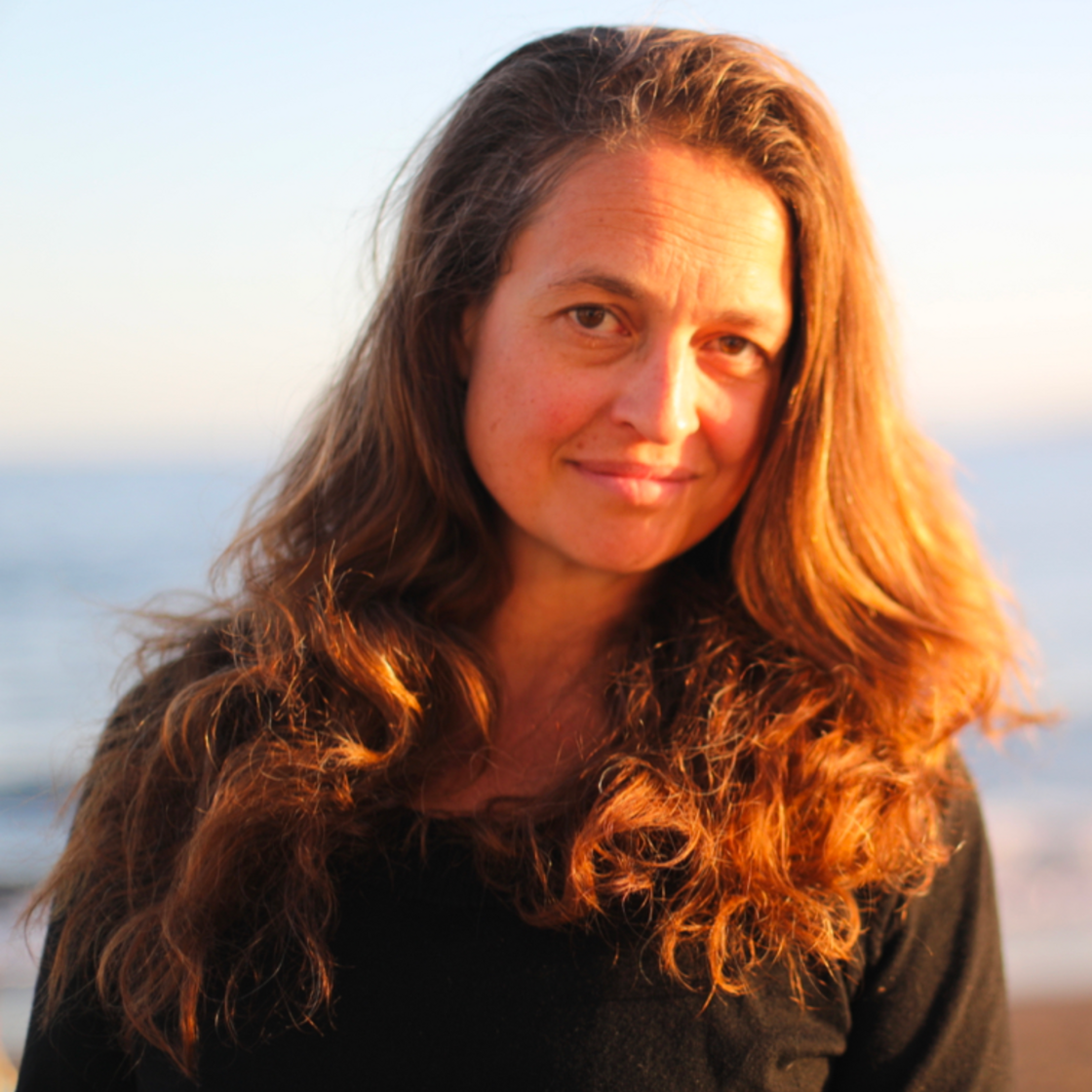
Hi, I'm Cecilie Conrad
Cancer-surviving psychologist, former single-parent; co-sleeping, yogi, gluten-free, primarily plant-eating; happily married, stay-at-home, organic barefooted hippie and mother of four, living in a bus, knitting teddy bears and learning languages, counseling and enjoying sunsets.
Coaching: Do You Need My Help?
I advise personally and from the heart, present and releasing. I know the way out of the darkness and the frustrations, the way to your true self, the way you must go to live an amazing life.


Listen To Our Weekly Podcast
Conversations about Unschooling, Traveling, Parenting, Money, Freedom, and what it means to live a self-directed life.
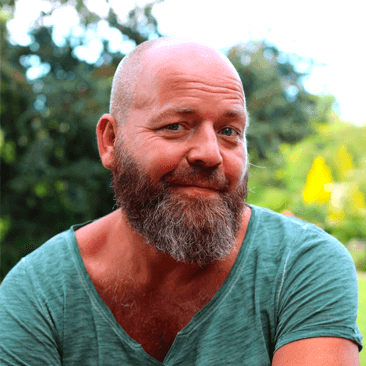
Hi, I'm Jesper Conrad
A proud stay-at-home dad of four. Digital nomad working with online marketing for NGOs. Plant-eating, barefoot yogi. I coach dads to be the best fathers they can be.
0 comments
Leave a comment
Please log in or register to post a comment